


The band “The Mekons” is a British musical collective performing in the genres of punk rock, post-punk, and alternative rock. It is one of the oldest and most prolific British punk rock bands of the first wave. Importantly, the musicians have a connection to the city of Leeds. In their work, the group combined punk rock with country music, significantly influencing the development of alt-country. Next on leeds-trend.
Over time, “The Mekons” evolved, incorporating elements of country and folk music and occasionally experimenting with dubstep. They are known for their raucous live performances, as noted on Twintonedigital.com.
The Early Years of the Band
The band was formed in 1976 by art students from the University of Leeds, including Jon Langford, Kevin Lycett, Mark White, Andy Corrigan, and Tom Greenhalgh. The group owes its name to Mekon, a mythical, intelligent yet malevolent creature from Venus featured in British comics during the 1950s and 1960s.
Shortly after the band’s formation, Bob Last of “Fast Product” approached them with a contract offer. “The Mekons” became the first band to sign with this label. Their debut single, “Never Been in a Riot,” was a satirical response to “White Riot” by “The Clash.”
Their second single, “Where Were You?”, was released in 1978, selling 27,500 copies. At this time, manager Bob Last persuaded the band to sign with the larger label “Virgin.” The band was at the peak of its fame.
Development in the 1980s and 1990s
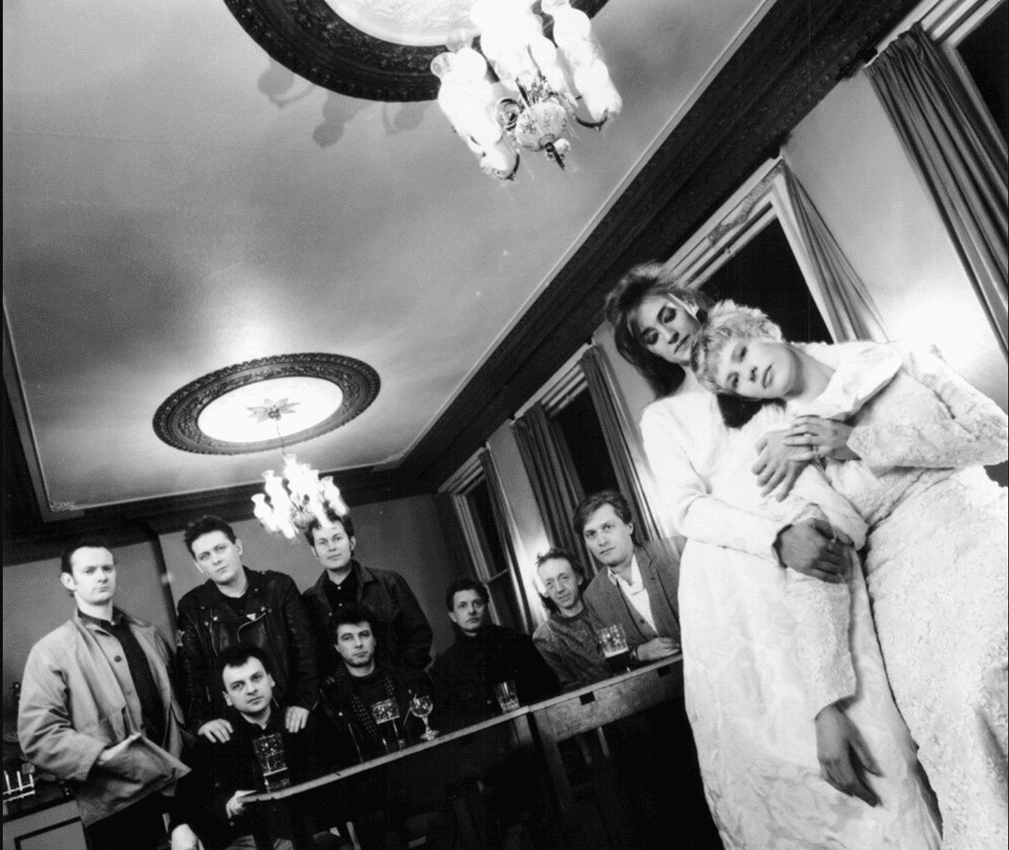
In the 1980s, “The Mekons” experimented with post-punk. Following the release of their 1982 album “The Mekons Story”—a compilation of early recordings—the band temporarily ceased activity. However, by the mid-1980s, they returned to the scene with new members:
- Vocalist Sally Timms,
- Violinist Susie Honeyman,
- Accordionist Rico Bell,
- And musicians Lu Edmonds and Steve Goulding.
The revamped lineup began exploring styles drawn from traditional English folk and American country music. Subsequent albums featured experiments with instruments like the violin, accordion, slide guitar, and saz.
Their 1989 album “The Mekons Rock’n Roll” was the group’s first (and only) release on a major label. Despite critical acclaim, it achieved modest commercial success, selling about 23,000 copies in the US. The album was praised as one of the top ten albums of 1989 and later recognised as one of the best albums of the 1980s.
The Band’s Creativity Post-2000
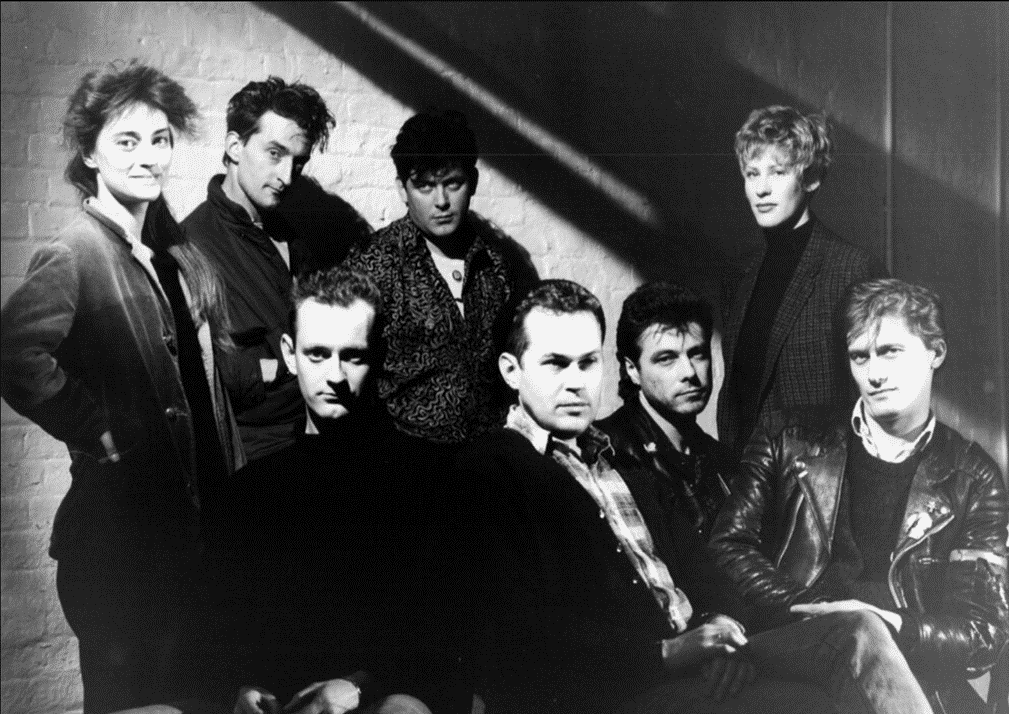
In 2000, the band released the folk-influenced album “Journey to the End of the Night.” In 2011, they launched “Ancient and Modern.” In 2013, a documentary about the band, “Revenge of the Mekons,” premiered at a New York festival.
The band also spawned a spin-off group, “The Mekons 77,” formed in 2017. This offshoot focuses on punk and post-punk. During their 40th-anniversary celebration in England, both the 1977 and 2017 lineups performed together. Jon Langford and Tom Greenhalgh remain the only members present in both lineups.
In 2022, the band announced plans for a European tour, promising at least one creative collective tour.
The Band’s Legacy
Alongside Bob Dylan and “The Clash,” “The Mekons” are the only musicians to appear twice in Robert Christgau’s “Dean’s Lists.” Christgau, a renowned American music journalist and critic, praised their work.
American writer and critic Greil Marcus also admired the band, particularly their fourth album, “Fear and Whiskey” (1985). Marcus described their music as embodying the fleeting nature of a pop-culture-driven society while retaining the punk ideology of 1976. He noted their ability to deliver powerful music laced with irony, self-deprecation, and a touch of shame.
Despite mainstream trends dominating public culture, the Leeds-based “The Mekons” stood out for their individuality and originality. Their persistence, dedication to their values, and authenticity propelled them into the music industry. Their legacy endures in the hearts of fans and among critics, who remain notoriously discerning.