


Opera in Leeds boasts a fascinating 300-year history of development. Esteemed by the nobility as a high classical art form, opera has long been valued for nurturing the best in individuals and society. The combination of classical music, majestic vocal performances, theatrical artistry, and ambiance stimulates the imagination and evokes deeply hidden emotions. Read more on leeds-trend.com.
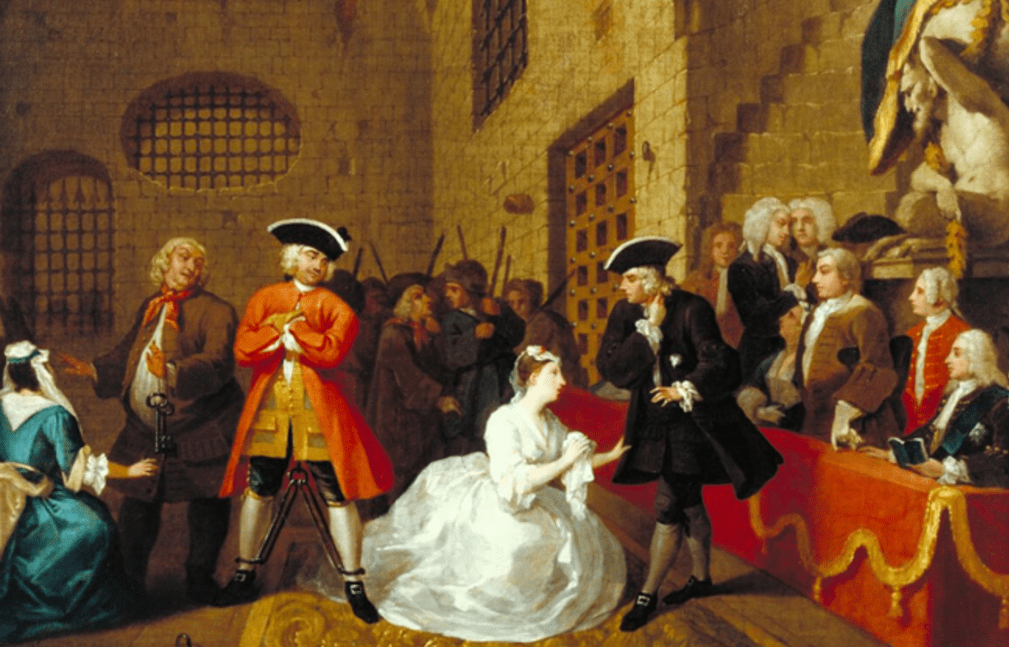
The first opera performed in Leeds was The Beggar’s Wedding in 1729. According to Yorkshirepost.co.uk, an exhibition held at the Corn Exchange in Leeds in August 2021 celebrated the city’s operatic development from its beginnings to the present day. Opera has shaped the cultural life of Leeds for centuries.
Organized by the Leeds Opera Festival, the exhibition showcased the history of early operas performed in the 18th century. Visitors learned about prominent singers, conductors, and troupes who introduced opera to the city. They explored how operatic tastes and theatrical arts evolved since the first performances in Leeds.
The Origins of Opera in Leeds
The first opera in Leeds was performed on November 4, 1729. This was The Beggar’s Wedding, composed by Charles Coffey. Not only was it the first recorded opera performed in Leeds, but it was also the city’s first recorded theatrical event.
According to Ralph Thoresby, a prominent Leeds historian and antiquarian, local clergy imposed a ban on attending theatrical performances in 1722. Nevertheless, the opera took place in March 1729, having premiered in Dublin earlier that year. The opera later achieved great success in London.
Actors performing in Leeds traveled with their troupes, visiting one city after another. They often performed in large pub halls. The concept of a “dedicated opera singer” in Leeds was virtually non-existent until the late 19th century.
Opera Development in the 18th Century
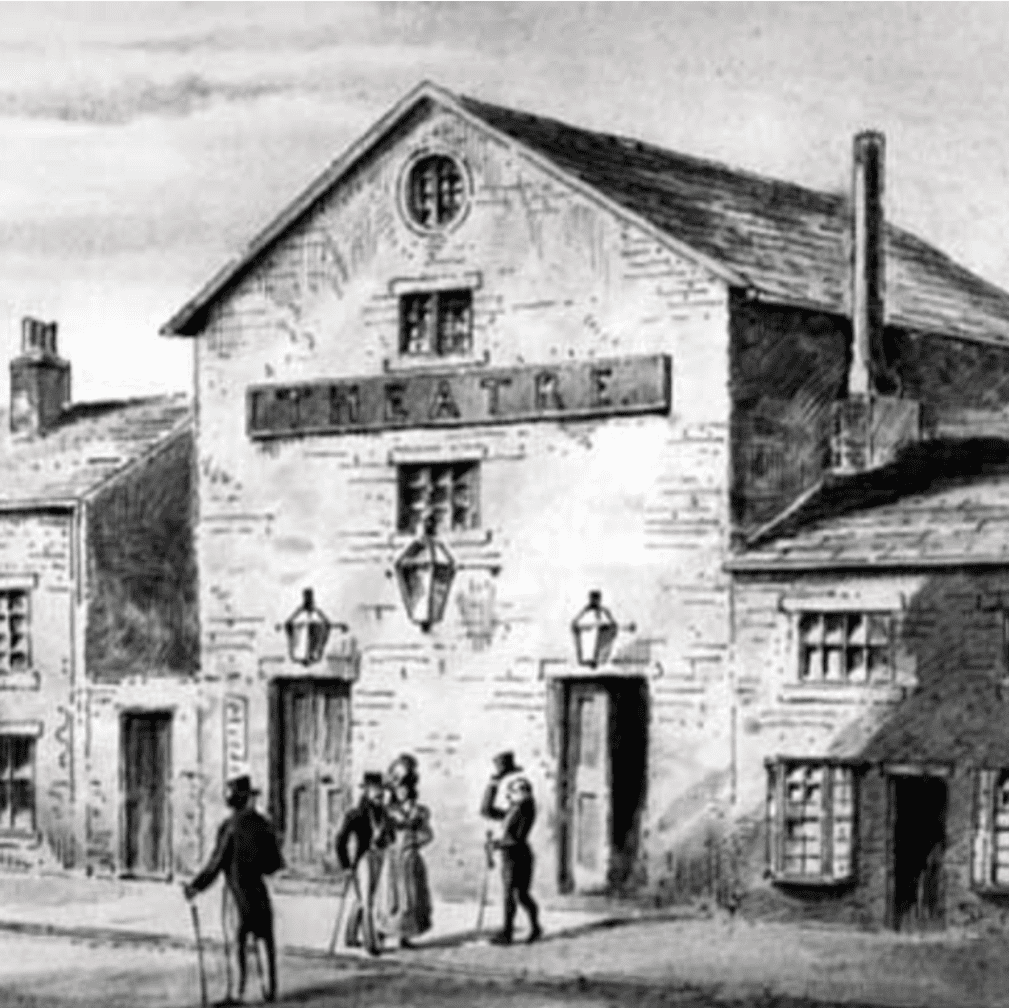
Another notable opera of the time was Thomas and Sally, with music by Thomas Arne and a libretto by Isaac Bickerstaff. Leeds lagged behind neighboring towns in building its first theater, but Tate Wilkinson opened The Theatre on Hunslet Lane in 1771. Thomas and Sally was performed there on July 16, 1771, marking the first operatic performance in the city’s inaugural theater.
The production was staged twice during the 1771 season and frequently repeated in subsequent years. There are also reports of the opera being performed at the New Concert Hall on Vicar Lane in 1767. The concert hall’s exact location remains unknown, as it was likely demolished by 1781.
The theater offered summer seasons of plays, operas, burlesques, and pantomimes and remained the city’s sole theater for decades. Although it operated for nearly 100 years, the theater’s facilities were far from luxurious, often described as damp and drafty.
Opera in Leeds in the 19th Century
In 1832, The Barber of Seville by Gioachino Rossini, with a libretto by Cesare Sterbini, became the first non-English-language opera performed in Leeds. This production took place at the Hunslet Lane Theatre on November 12, 1832, marking a shift in the audience demographic to include more upper-class and music-savvy attendees.
In 1853, the opera Maritana by William Wallace, with a libretto by Edward Fitzball, was performed at the same theater on October 31, 1853. The mid-19th century saw the emergence of touring opera troupes, signaling a new era for the art form in Leeds.
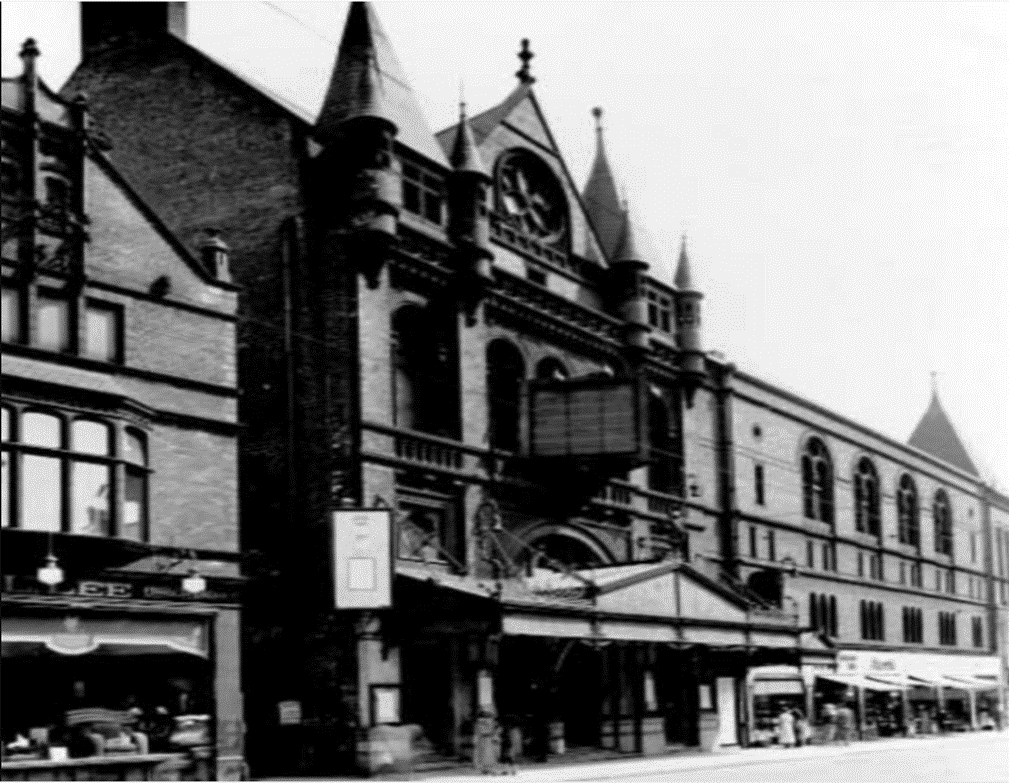
On November 25, 1878, Giuseppe Verdi’s Il Trovatore was staged at the Grand Theatre, which was built following a decision by Queen Victoria and Prince Albert. They concluded that Leeds needed a grand theatrical venue befitting its status.
In December 1890, the opera H.M.S. Pinafore by Arthur Sullivan and W.S. Gilbert premiered at the Coliseum on Cookridge Street. Opened in 1885 by the Prince and Princess of Wales, the Coliseum remains a historic landmark in Leeds.
Leeds City Opera in the 20th Century
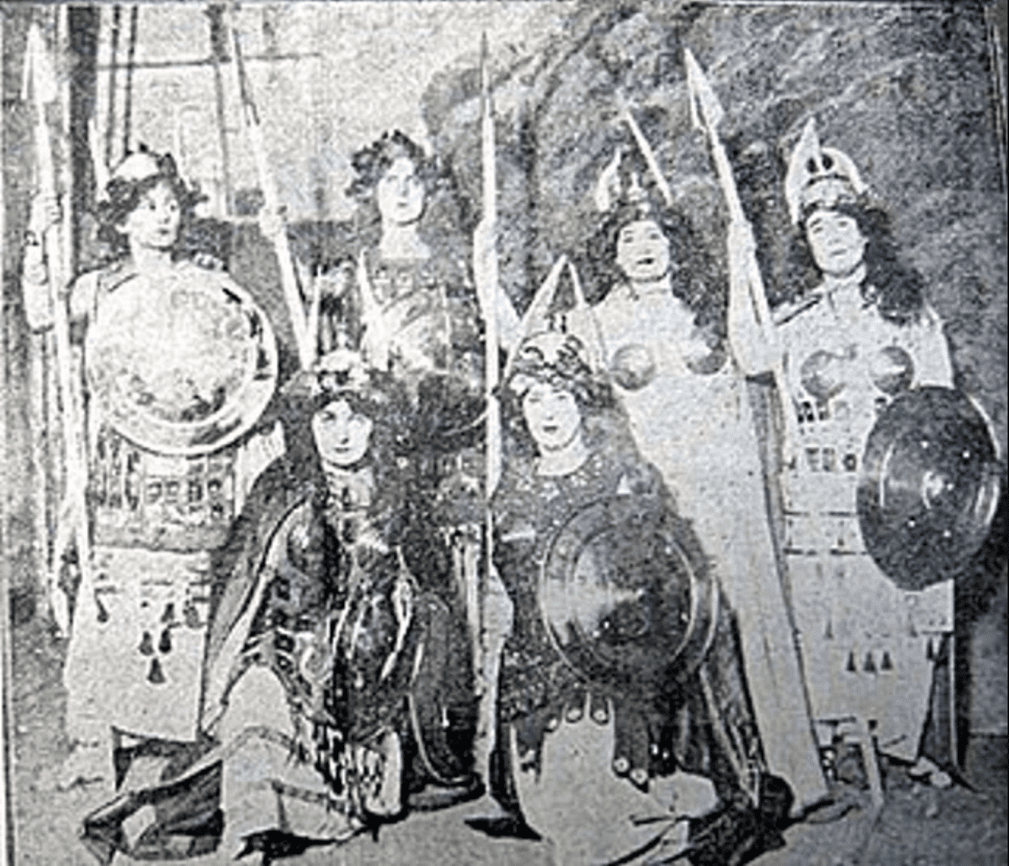
On March 28, 1911, Richard Wagner’s The Ring Cycle was performed at the Grand Theatre. The production consisted of four operas: Das Rheingold, Die Walküre, Siegfried, and Götterdämmerung, depicting a battle for a powerful ring that could grant control over the world.
In 1978, the opera Samson and Delilah by Camille Saint-Saëns, with a libretto by Ferdinand Lemaire, was staged at the Grand Theatre. This performance marked the inauguration of Opera North, established that year after a long campaign for a permanent opera company in northern England.
Samson and Delilah, one of the world’s most popular operas, draws from a biblical legend. The mezzo-soprano role of Delilah is particularly renowned for its emotional depth and vocal demands.
The history of opera in Leeds is rich and eventful, filled with milestones that have left an indelible mark on the city’s cultural heritage. Distinguished intellectuals and cultural figures have contributed to the development of high art, fostering a deep appreciation for opera. Over the centuries, Leeds has cultivated its own operatic traditions and built a society eager for intellectual and artistic enrichment.