Life in modern times and in the 20th century differs greatly, particularly when it comes to music. Music in the past was something special, festive, and extraordinary for ordinary people. It didn’t play from every café or phone as it does today. Those were very different times. Residents of Leeds could listen to music in a variety of venues—ranging from concert halls and theatrical stages to clubs and pubs. These locations played a key role in shaping the city’s musical culture and fostering the development of numerous musical genres. Today, we will discuss where the people of Leeds enjoyed music in the past century. Learn more about this on the pages of leeds-trend.com.
Leeds Town Hall – One of the Leading Concert Venues of the 20th Century
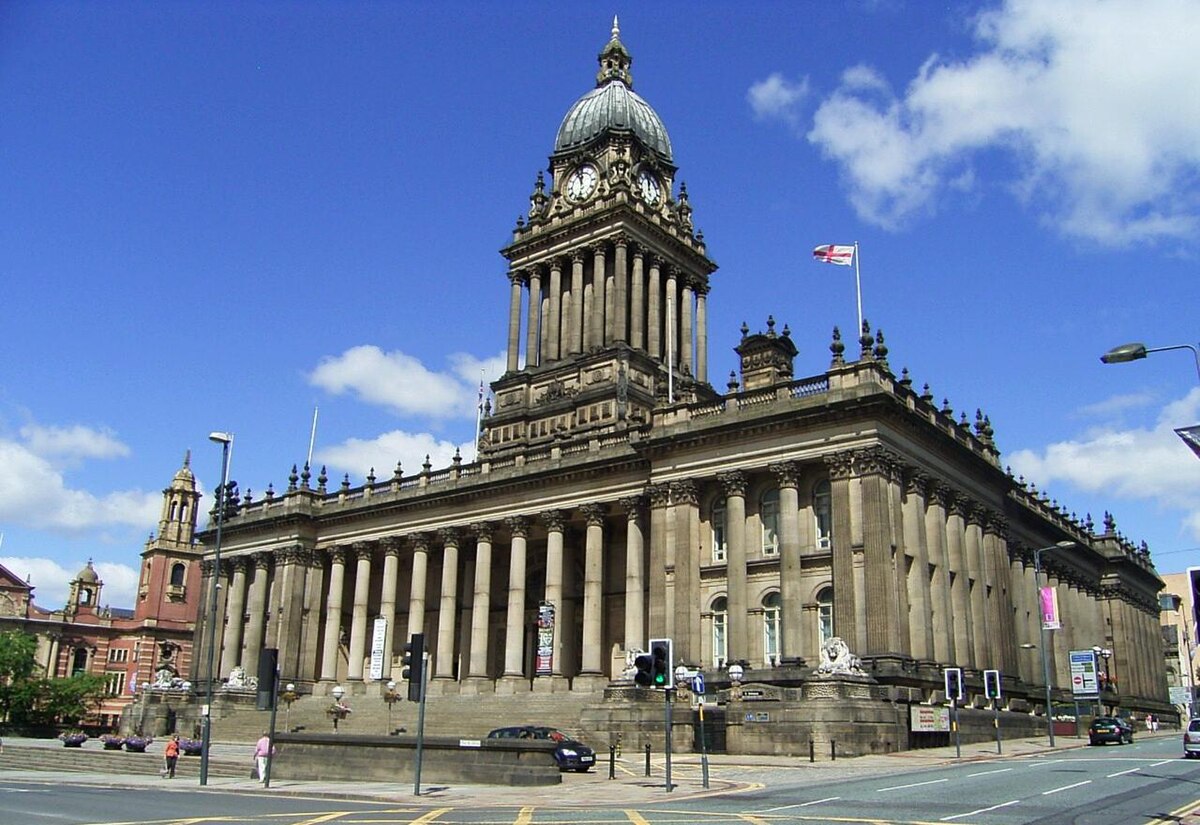
In the 20th century, the city of Leeds became an important center for musical life in Northern England. One of the most renowned concert venues of that time was Leeds Town Hall. It was opened in 1858 and is considered one of the most remarkable buildings of the 19th century in Leeds, located on The Headrow. The project was designed by architect Cuthbert Brodrick.
The building was conceived as a “municipal palace,” symbolizing the growth and power of Leeds during the industrialization period. Initially, it was planned to house courtrooms, a city council, offices, a large public hall, and ceremonial rooms. Interestingly, the construction cost amounted to around £125,000, a sum that significantly exceeded initial estimates due to continuous additions to the project and rising costs.
The grand opening of Leeds Town Hall took place on September 7, 1858, with Queen Victoria in attendance. The event featured a grand parade and celebratory activities, involving around 32,000 schoolchildren.
Throughout the last century, Leeds Town Hall remained a premier venue for classical concerts, orchestral performances, and choral events. Hundreds of events were held there annually, and the hall, with a capacity of over 1,800 spectators, served as a vital hub for the city’s cultural life.
Pubs and the Club Scene
In the latter half of the 20th century, the club scene in Leeds began to flourish. Pubs and music clubs such as The Fforde Grene, The Cockpit, and The Queen’s Hotel became popular venues for performances by local musicians and rock bands.
In the 1960s and 1970s, The Fforde Grene was particularly well-loved. It hosted both emerging and well-known performers. By the 1970s, the club could accommodate up to 1,000 visitors per evening. This venue played a pivotal role in shaping the city’s club scene. Its large size allowed it to attract significant audiences and host major events compared to other local establishments.
Notably, The Fforde Grene provided many young bands with the opportunity to showcase their talent while offering city residents access to performances by famous artists of the time. Alongside other iconic venues like The Cockpit and The Queen’s Hotel, The Fforde Grene contributed to the rapid development of Leeds’ music infrastructure, making the city a significant hub for live music in Northern England.
Numerous theaters in the city, such as the Grand Theatre and City Varieties Music Hall, also hosted musical performances, opera productions, and popular music concerts regularly. City Varieties, which opened in 1865, retained its popularity throughout the 20th century, becoming a venue for television shows and concerts.
By the 1980s, alternative music spaces began to emerge in Leeds, supporting the development of indie, punk, and post-punk scenes. The Warehouse, opened in 1988, became a center of youth music culture, hosting performances by bands like The Sisters of Mercy and The Mission.