Many people think of Leeds as a conservative city where residents primarily attend operas, conservatories, and classical music events. However, this is far from the truth. Leeds is a modern, vibrant city with numerous nightclubs. Today, we will explore the legendary music nightclub The Warehouse. For more details about its creation and development, visit leeds-trend.com.
The Club’s Founding History
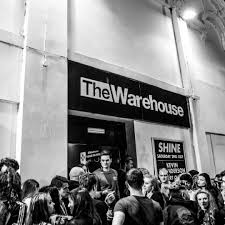
The Warehouse nightclub was established in 1979 and played a pivotal role in the development of club culture in Northern England. The club’s founder, Mike Wiand, was a former American intelligence officer. Located in a renovated warehouse on Somers Street, Wiand’s deep affection for Yorkshire inspired him to purchase the dilapidated building. He transformed it into one of the first clubs in the UK to feature techno and dance music.
Wiand’s vision and approach were instrumental in shaping Leeds’ unique club culture. His innovative transformation of the abandoned warehouse into one of the country’s most influential music venues is widely recognized. Wiand brought a groundbreaking perspective to club space design in Leeds, blending an industrial style with contemporary musical trends. Music critics note that Wiand didn’t just create a party venue; he laid the groundwork for the development of techno, house, and ska genres in the city.
Global Stars Performed at The Warehouse
From its inception, The Warehouse became a magnet for club culture enthusiasts from across the UK. The nightclub hosted renowned DJs such as Greg James and Danny Pucciarelli, alongside legendary 1980s bands like Frankie Goes to Hollywood, The Stone Roses, and Depeche Mode.
Notably, Marc Almond worked at The Warehouse as both an administrator and a DJ. Together with his colleague David Ball, they performed a cover of “Tainted Love”, which later catapulted their band, Soft Cell, to fame.
That’s not all. The nightclub also hosted global stars such as Iggy Pop and The Ramones. The club was highly cherished and enjoyed immense popularity among the city’s residents. Young people particularly loved its status as the epicenter of legendary parties like Vague and SpeedQueen. These events became iconic milestones of the British club scene.
Closure and Revival
As you can imagine, during the last century, The Warehouse was incredibly popular among Leeds residents. However, the 21st century brought significant changes, which also impacted the venue. In 2010, The Warehouse temporarily closed but reopened three years later with upgraded infrastructure, including a state-of-the-art Void Acoustics sound system, functional lighting, lasers, and CO2 effects.
Today, the club can accommodate up to 750 people and hosts events in styles like Nu-Disco, House, Funk, Soul, and more. Renowned showbiz stars such as Grandmaster Flash, Calvin Harris, Frankie Knuckles, Kerri Chandler, Louie Vega, and many others continue to perform at the venue.
Modern design and cutting-edge technology have significantly elevated the nightclub’s status. Thoughtful solutions allow visitors to fully immerse themselves in a world of music and energy.
Leeds residents know firsthand that The Warehouse is more than just a nightclub—it is the art of nightlife itself. Here, music and culture merge with innovation, bringing people together and creating the perfect conditions for a high-quality night out.
We hope you found this article informative and gained more insight into your city.