


Leeds boasts a rich and diverse musical culture, with a fascinating history full of events and milestones. Residents of the city actively attend concerts by their favorite bands and solo performers. The city offers excellent conditions for nurturing talent, supporting emerging musicians, and organizing concerts, festivals, and other prominent musical events. Read more on leeds-trend.com.
The city’s iconic Roundhay Park has hosted massive concerts, such as Bruce Springsteen’s 1985 performance, which drew 80,000 fans, and Robbie Williams’ 2006 show, attended by 100,000 people. In 2000, the legendary Love Parade attracted 300,000 ravers, making it the largest event in Leeds. According to Visitleeds.co.uk, Leeds is recognized as one of the UK’s best cities for live music, hosting festivals such as Leeds Festival, Slam Dunk Festival, and Damnation Festival.
Development of Musical Genres in Leeds
In 1983, the popular group Age of Chance was formed in Leeds, with their single Don’t Get Mad… Get Even reaching number eight on the Billboard Hot Dance/Club Play chart in the US. The group Utah Saints, though originating in Harrogate in 1991, was heavily influenced by Leeds’ music scene and bands like The Prodigy. Prominent DJs and producers, such as Paul Woolford and Ralph Lawson, have established their studios in Leeds, which was crowned the UK’s clubbing capital during the 1990s.
Punk Rock
Leeds became a hub for influential punk rock bands like The Mekons, Gang of Four, and Delta 5 in the late 1970s. These bands shaped the post-punk sound. By the 2000s, local punk bands took inspiration from American groups such as Fugazi and Hot Water Music, leading to a more US-oriented sound exemplified by bands like And None of Them Knew.
Gothic Rock
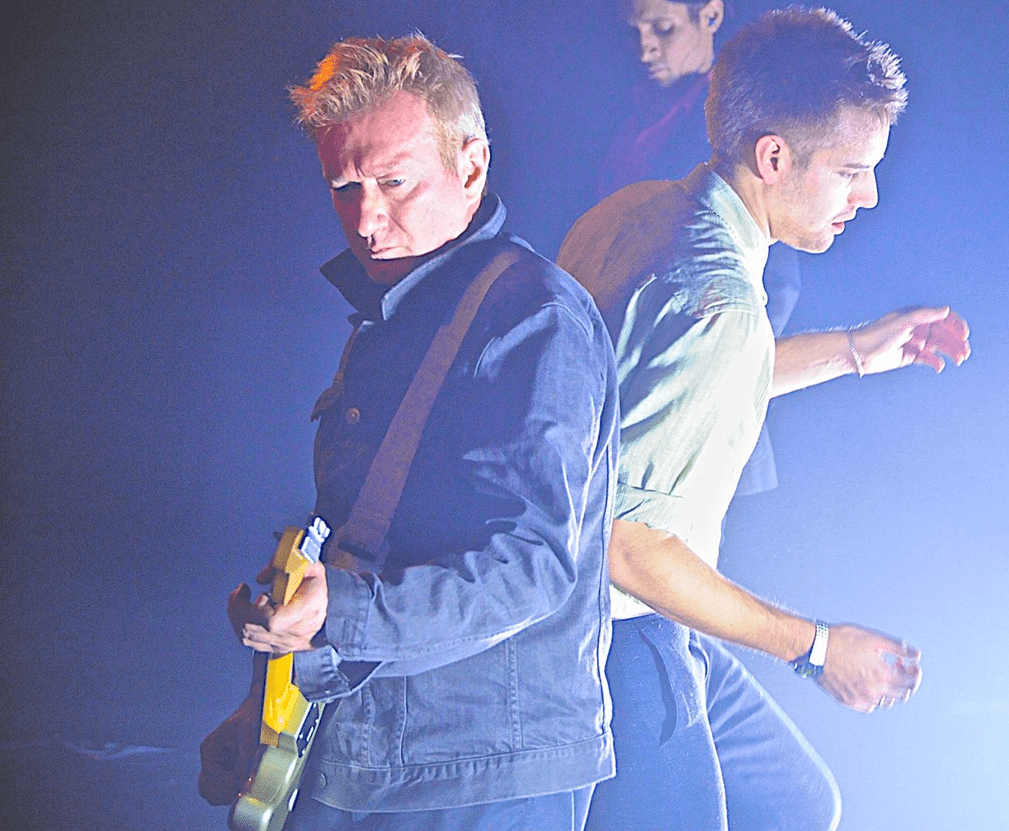
In 1979, John Keenan founded the Futurama Festival, which soon became a hallmark of gothic rock and post-punk. Bands such as Echo & the Bunnymen, Joy Division, and Bauhaus performed at the festival. By the 2000s, gothic club nights like Wendy House at the University of Leeds became hugely popular. Events like Carpe Noctum and the city’s gothic festivals remain prominent.
Alternative Rock
The band The Wedding Present, formed in 1985, set a world record in 1992 by releasing 12 UK Top 40 singles in one year. Another Leeds-based band, Cud, debuted with Peel Session in 1987. By the mid-2000s, pop-oriented indie rock bands gained popularity, while an edgier alternative rock scene emerged around venues like Brudenell Social Club and Pack Horse in Hyde Park.
Pop Music
Leeds is the birthplace of Mel B, who rose to fame as part of the iconic girl group Spice Girls. Born in Hyde Park and raised in Kirkstall, Mel B and her group became the best-selling girl group of all time, cementing her place in pop music history.
History of Music Venues in Leeds
Le Phonographique
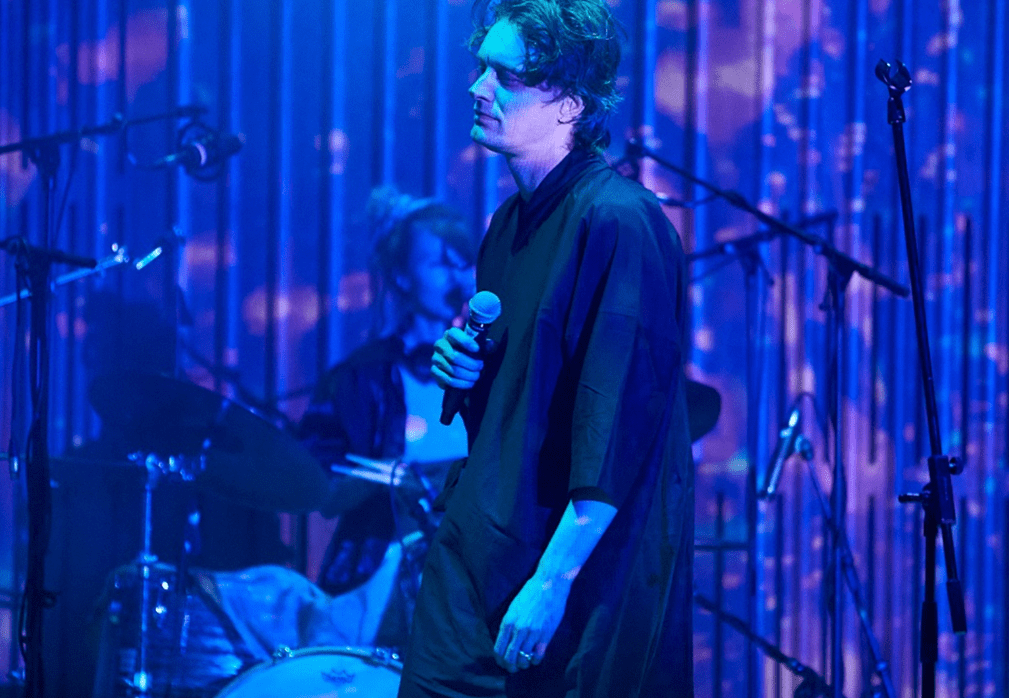
This underground venue beneath the Merrion Centre played a significant role in the emergence of gothic subculture. Some regard it as Leeds’ first gothic club, accessible via spiral stairs in the Merrion Centre.
Queens Hall
Once one of Leeds’ largest music venues, this hall could accommodate 5,000 people and hosted major acts like Pink Floyd, AC/DC, and The Beatles. Despite its legendary status, the venue was notorious for poor acoustics and freezing temperatures in winter. Nevertheless, it hosted the celebrated Futurama Festival.
Duchess of York
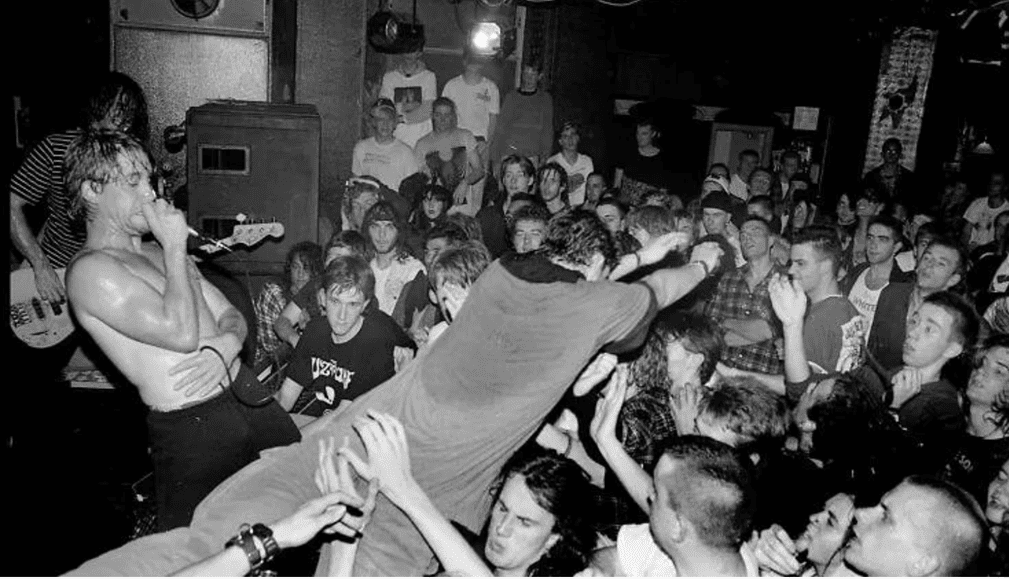
This venue gained fame for hosting a young Nirvana just three months after the release of Bleach. Despite its modest size, the Duchess became a launchpad for many bands that later achieved global fame.
Supporting Musical Talent in Leeds
Leeds actively fosters local musical talent through organizations like Music Leeds and Futuresound, which create projects, secure funding, and manage events. The Live at Leeds festival, one of the UK’s first multi-venue events, attracts thousands of fans annually.
The Leeds Conservatoire educates over 1,200 students in the heart of the city’s cultural quarter. Leeds has produced renowned musicians such as saxophonist Andy Sheppard and composer Adrian Snell, highlighting the city’s commitment to nurturing talent.
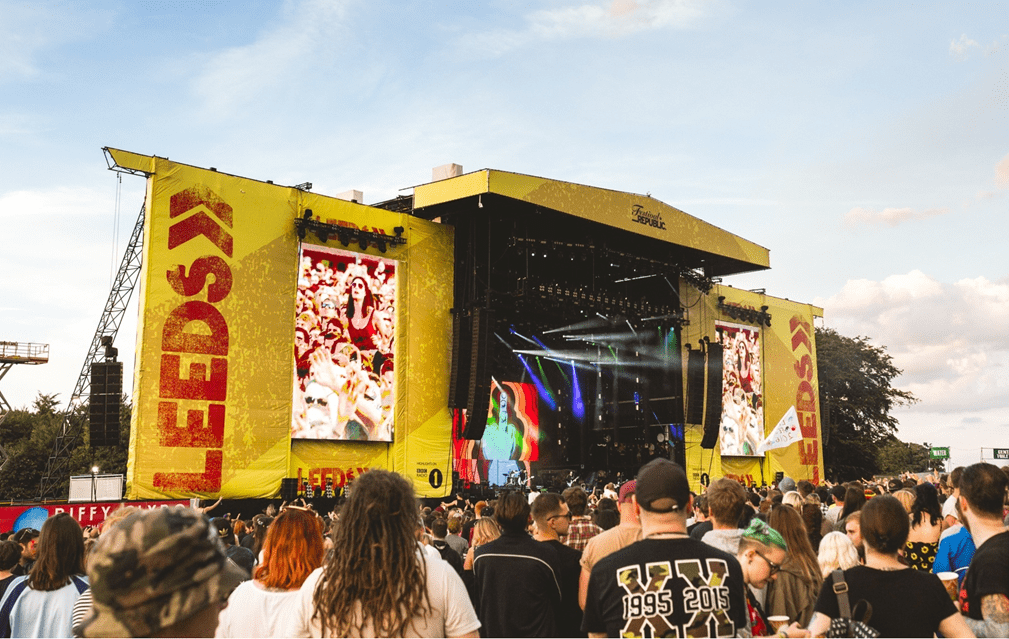
With its rich history and vibrant music scene, Leeds continues to thrive as a center for cultural and artistic expression. The city offers countless opportunities for creativity and career growth, maintaining its status as a hub for music and culture. Residents and visitors alike enjoy a constant stream of events, from festivals to intimate gigs, ensuring that Leeds’ musical legacy endures for generations.