The musical diversity of Leeds is truly impressive, with a wide variety of genres and styles thriving across the city. Today, we take a closer look at the history of opera in our region. Leeds is known not only as a major industrial and financial centre, but also as a hub of operatic art in Northern England. You can read more about this on the pages of leeds-trend.com.
Key stages in the development of opera in Leeds
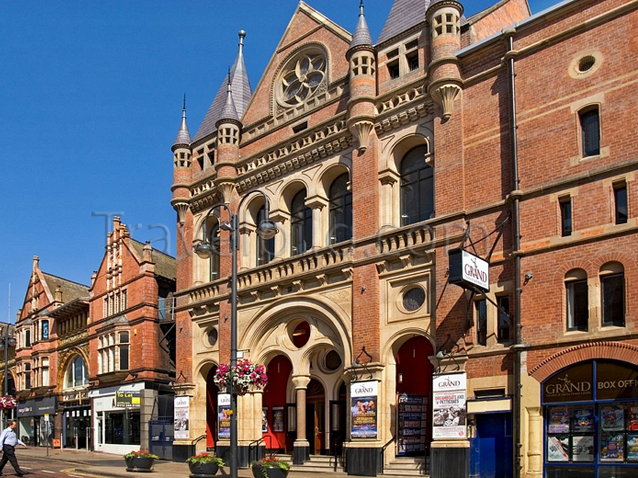
The story of opera in Leeds begins in 1878, the year the Leeds Grand Theatre first opened its doors. This magnificent Victorian building, seating over 1,500 people, quickly became the city’s main venue for operatic performances and remains a cornerstone of musical culture in the region.
Almost a century later, in 1978, Opera North was founded. It is the only national opera company in the UK based outside London, and its creation marked a major step forward for the professional development of opera in Leeds and across Northern England. Since its inception, Opera North has staged around 40–50 productions each season, presenting both classical masterpieces and contemporary works.
In the 21st century, Opera North has refreshed its repertoire, blending traditional operas with modern interpretations and actively supporting the development of emerging talent. The company also runs educational programmes and festivals aimed at attracting new audiences and sustaining operatic culture in the region. Thanks to these efforts, Leeds continues to hold its place as one of the UK’s most important centres for opera.
Opera in the 21st century
Today, opera in Leeds continues to flourish under the leadership of Opera North. Notable recent additions to the programme include the premiere of The Secret of the Black Spider by composer Judith Weir, performed by the Opera North Youth Company, which opened the season on the main stage for the first time. The repertoire also features celebrated works such as Giacomo Puccini’s La bohème, Wolfgang Amadeus Mozart’s The Marriage of Figaro, and Benjamin Britten’s Peter Grimes, presented with fresh directorial approaches.
Opera North is committed to engaging a wide range of audiences, including younger viewers, through interactive productions and children’s projects such as The Big Opera Mystery. The company also collaborates with other cultural institutions, including Phoenix Dance Theatre and the Nevill Holt Festival.
Beyond the opera stage, the Opera North orchestra and chorus take part in numerous concert projects, from live film screenings with orchestral accompaniment to appearances at major festivals.
Leeds also benefits from a variety of educational programmes and initiatives supporting young talent. These include the weekly In Harmony scheme, which reaches more than 3,200 children, as well as specialised vocal courses for adults.
Music experts note that today’s operatic productions in Leeds differ from traditional repertoire through their innovation, stylistic variety, and success in attracting new audiences. Whereas the classic repertoire focused mainly on the works of composers such as Mozart and Puccini, contemporary productions introduce new staging concepts, reinterpret classical works in a modern context, and incorporate premieres of contemporary and experimental works. This may include blending opera with interactive elements, multimedia design, or other genres such as dance, theatre, and different musical styles.
Modern productions also place a strong emphasis on social relevance, addressing current themes and issues, making opera more accessible and relatable to a broad audience.