Leeds boasts a nearly 300-year-long theatre heritage, evolving from the opening of the first Royal Theatre on Hunslet Lane to the establishment of the modern Playhouse. The city’s rich theatrical history offers a fascinating journey. Next on leeds-trend.
The earliest mention of acting in Leeds is found in the diary of historian and antiquarian Ralph Thoresby, dated 1722. According to Yorkshireeveningpost.co.uk., Thoresby recorded that a group of actors visited Leeds and stayed for several weeks.
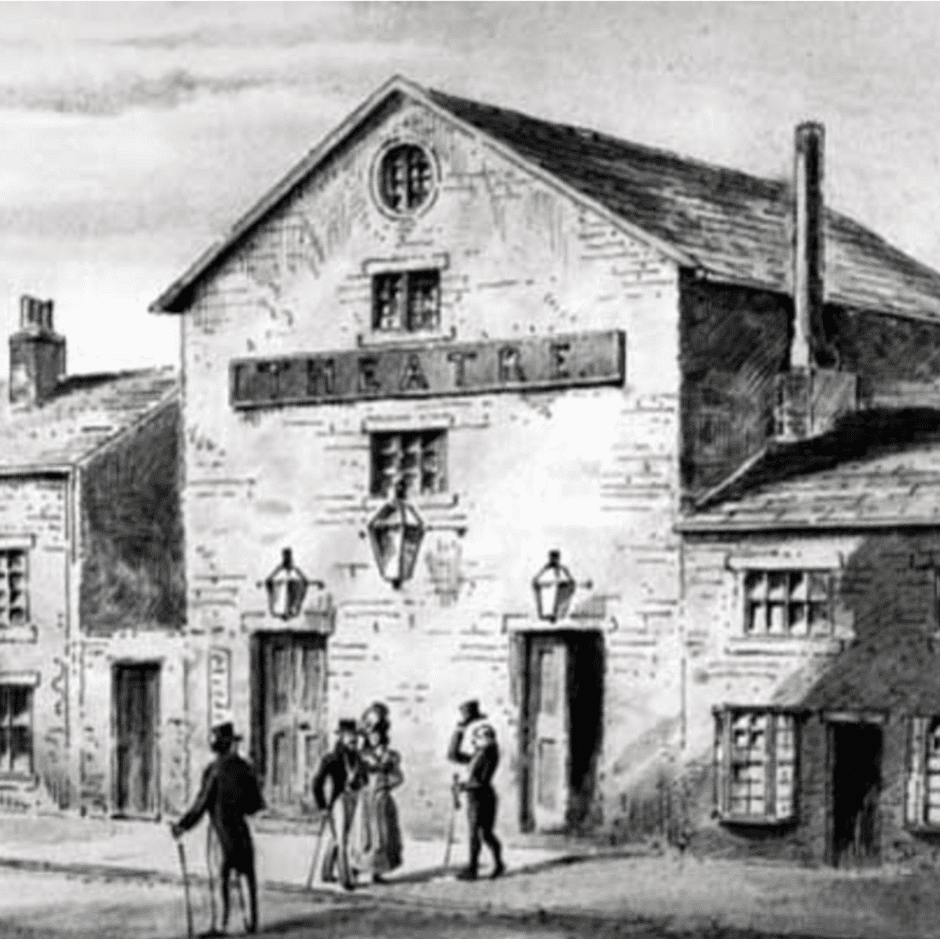
The First Theatre in Leeds
The city’s first theatre opened on 24 July 1771, known as the Theatre on Hunslet Lane. It was established by Tate Wilkinson, manager of the York Theatre Circuit. Before its opening, Leeds had no dedicated theatre, and performances were limited to singing halls in local pubs or visiting troupes.
Wilkinson chose Leeds for two main reasons:
- Location: The city was conveniently situated between London and Edinburgh, making it an ideal stop for touring troupes.
- Need for an Alternate Venue: Wilkinson faced challenges with his Newcastle theatre and required a summer venue for his company.
The troupe performed in Leeds from May to July, but the arrival of theatre was initially met with mixed reactions. Clergy of the time deemed stage performances inappropriate and discouraged attendance.
Despite these challenges, the theatre thrived for over a century, attracting stars like Mrs. Siddons and Dorothy Jordan. The venue hosted comedies and tragedies three to four times a week.
Over time, the theatre faced difficulties, eventually leading to its decline. The final owner, John Coleman, attempted to revitalise it by rebuilding and renaming it the New Royal Theatre and Opera House in 1867. However, a fire on 28 May 1875 brought an end to the historic venue.
The Grand Theatre in Leeds
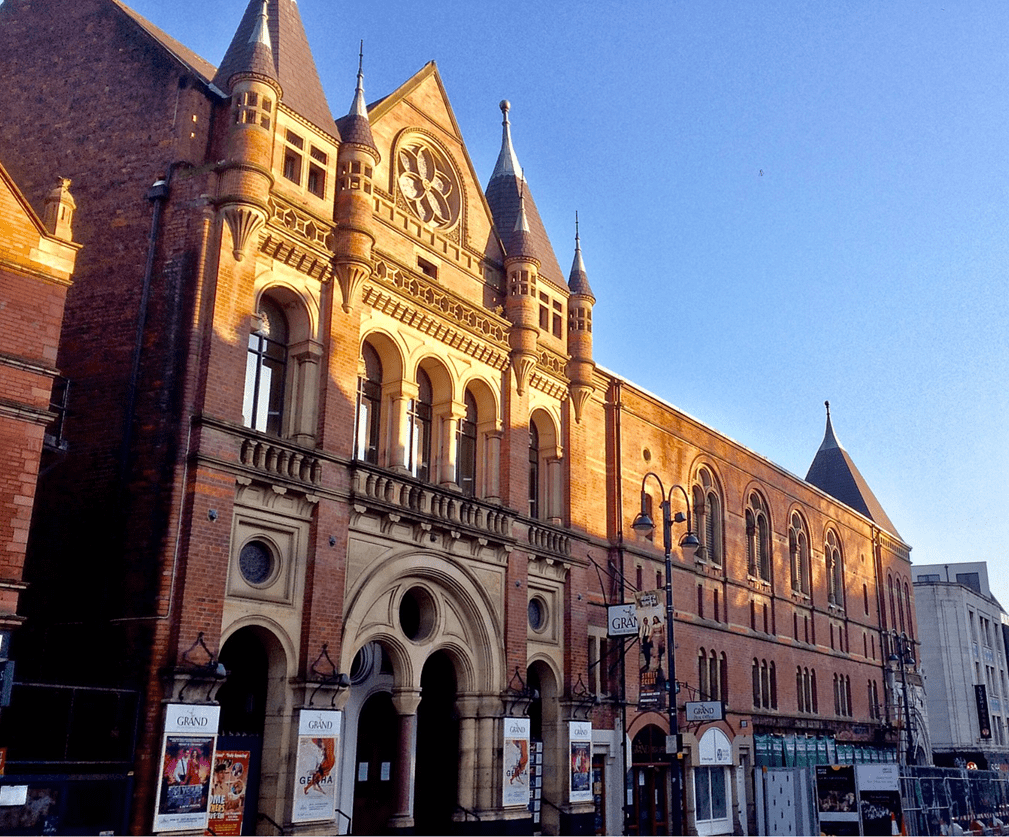
Designed by James Robinson Watson, an assistant to Leeds architect George Corson, the Grand Theatre opened on 18 November 1878. It was built as a multifunctional structure, featuring a theatre, six shops, and assembly rooms, all facing New Briggate.
The Grand Theatre is an architectural landmark, constructed from red brick in the High Victorian style with stone detailing and a slate roof. Its design blends Romanesque and Scottish Baronial elements, with Gothic features like fan vaulting and clustered columns.
The theatre can accommodate 1,500 people, making it a cultural hub and a protected historic site.
Modern Theatre in Leeds
Leeds is home to several theatres offering a diverse array of performances, from critically acclaimed dramas at Leeds Theatre to spectacular productions by Northern Opera and Northern Ballet at the Grand Theatre. Many of these venues are housed in historic buildings, while others occupy renovated spaces.
Leeds Playhouse
A producing theatre with two stages and a combined seating capacity of 1,100. It offers a welcoming atmosphere, with a spacious café and free Wi-Fi. The Playhouse stages an average of 11 productions annually, ranging from children’s shows to thought-provoking dramas for adults.
Holbeck
Located in the Holbeck Hotel, this venue features performance spaces, artist development areas, and a traditional bar. It shares its resources, equipment, and vehicles with local artists and companies. Holbeck also houses a Cultural Community College, hosting workshops and discussions.
Carriageworks Theatre
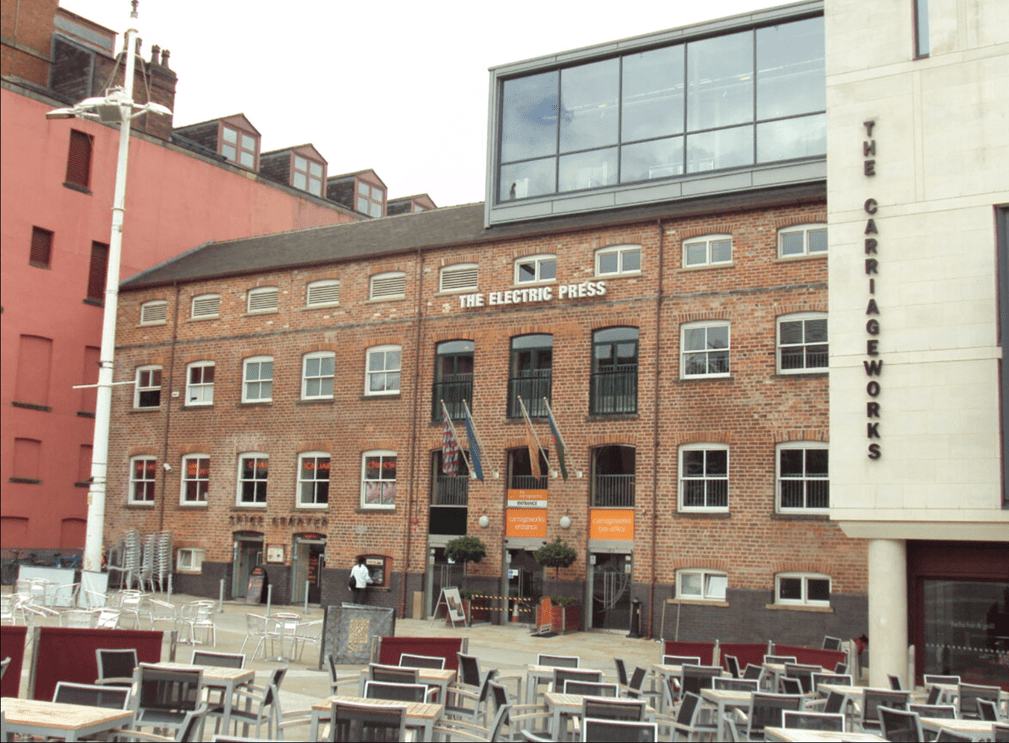
Situated in the Electric Press building on Millennium Square, this venue includes two theatres and six rehearsal rooms. It serves local and regional artists and hosts a youth theatre for children aged 11 to 19, producing six original shows annually.
A Vibrant Theatrical Legacy
Leeds’ rich theatrical history highlights its cultural sophistication and deep respect for the performing arts. Theatre in Leeds remains vibrant, with residents eagerly attending performances and supporting local talent.