


Before the widespread adoption of internet technology and the presence of computers in every household, British families spent a significant amount of time watching television. Children, in particular, were enthusiastic TV viewers, and quality children’s shows provided both entertainment and educational value. Many generations of Leeds residents grew up watching wonderful children’s programmes. More on leeds-trend.
What exactly did young residents of Leeds watch on TV in the 1980s and 1990s? Almost every child had a favourite programme, cartoon, or show that defined their childhood. This is discussed on Leeds-live.co.uk. These broadcasts often left unforgettable memories, warming hearts with emotions for years to come.
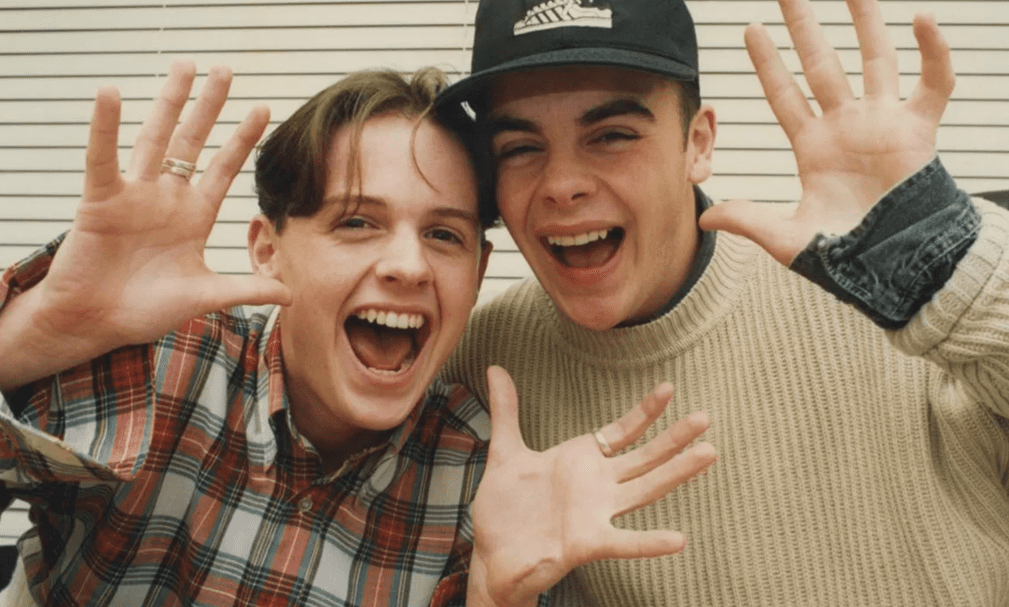
“Byker Grove”
This British teen drama aired on BBC One from 1989 to 2006. Filmed in Newcastle, the show tackled tough social topics, including drug addiction, child abuse, homelessness, teenage pregnancy, homophobia, and abortion.
With 344 episodes in total, the series was created and produced by Matthew Robinson. Its portrayal of life was both honest and direct, often depicting the loss of characters through accidents, illnesses, or serious injuries. The series targeted older children, teens, and young adults rather than a younger audience.
This teen drama left bright and nostalgic feelings in the hearts of British viewers, especially those in Leeds. It taught life lessons with raw authenticity, reflecting the realities of life, both positive and negative, just as they are.
“DuckTales”
This animated series told entertaining stories about the adventures of anthropomorphic ducks. One of its central characters, Scrooge McDuck, became synonymous with thriftiness, entrepreneurial talent, and hard work.
The cartoon aired from 1987 to 1990. Young viewers enjoyed the series immensely, and its characters and adventures became legendary. The show left a significant impression on the younger British audience and received high praise from viewers.
“Rugrats”
This animated series followed the adventures of toddlers aged one to three who, unnoticed by adults, constantly caused mischief and found themselves in unusual, amusing situations. The show became beloved not only in the UK but globally, captivating millions of young viewers.
The series presented the world through a child’s eyes, immersing the audience in a life filled with discoveries and experiments. Its honesty and humour made it a staple in the hearts of British children.
“ALF”
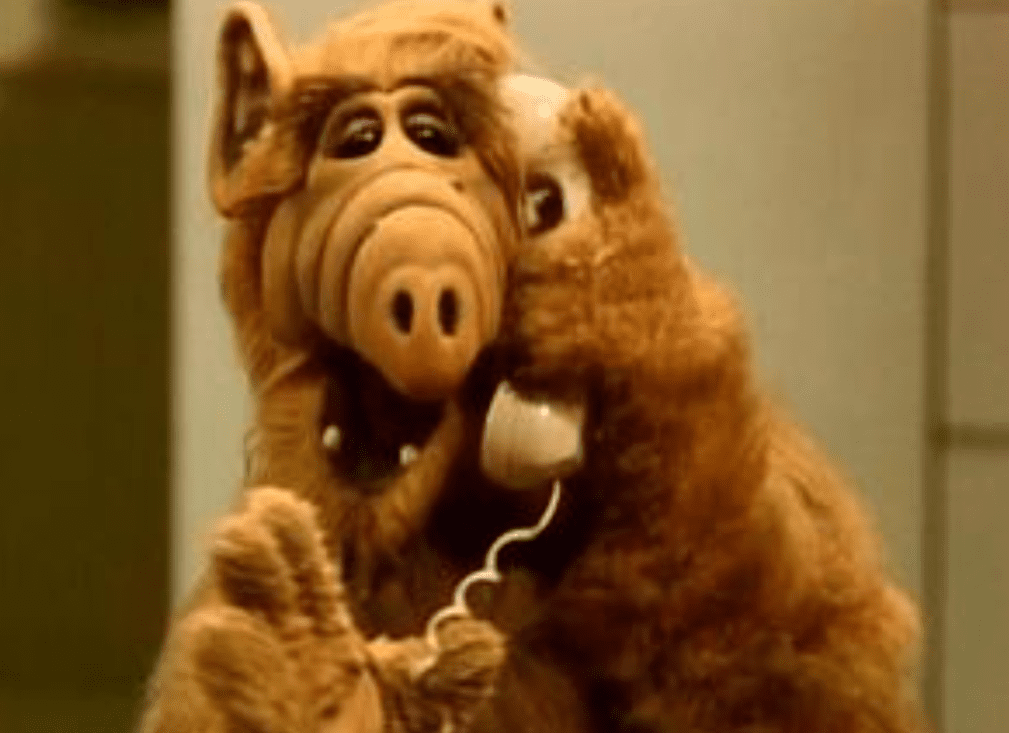
This television series focused on the adventures of an alien, ALF, who, after the destruction of his home planet, accidentally lands with the Tanner family in America. The alien learns to adapt to human life while forming close relationships with the family, despite his frequent misbehaviour.
Children in Leeds adored this show, which aired from 1986 to 1990. ALF’s humorous appearance, genuine personality, and childlike innocence endeared him to many viewers. The character became a memorable icon for children of the era.
“Clarissa Explains It All”
This children’s and teen series revolved around Clarissa, a teenage girl navigating school life and growing up in a typical American family. Her complicated relationship with her younger brother, her dreams for the future, and her quest for identity were central to the storyline. Events in her family were seen through her perspective, with her unique commentary, which inspired the show’s title.
The series resonated with young Leeds residents as it mirrored the everyday experiences of teens. Clarissa was relatable to her audience as a young person striving to achieve her dreams and find her place in the world.
“Codename: Icarus”
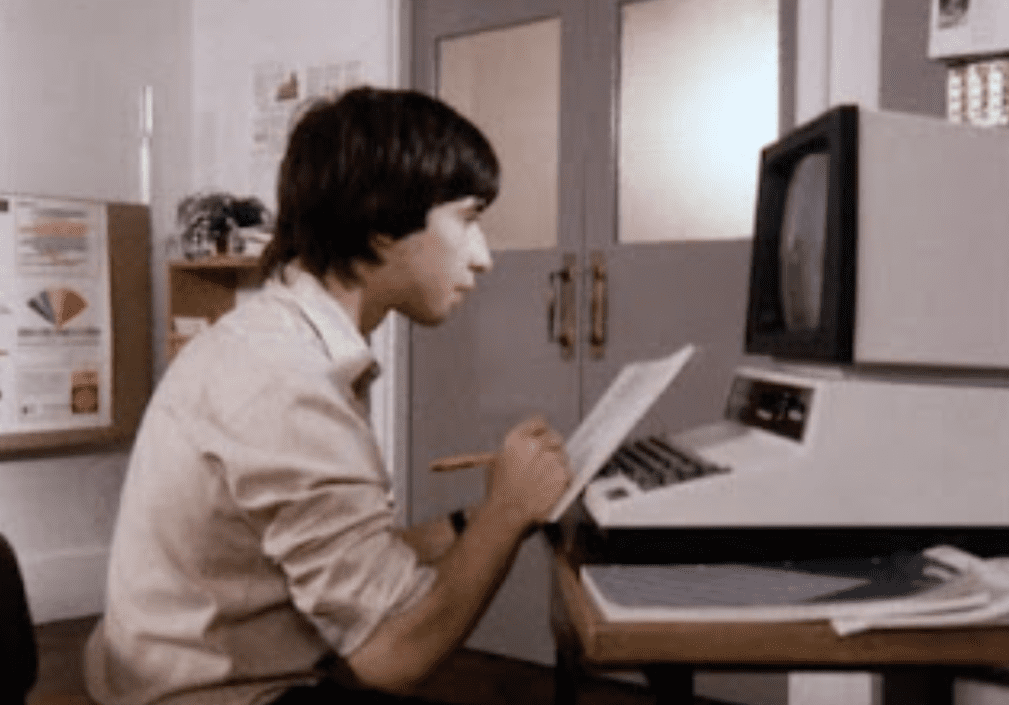
This ambitious children’s drama aired in 1981, directed by Marilyn Fox, with five episodes broadcast over two weeks in December 1981 and a rerun in 1984.
The series followed Martin Smith, a struggling student who discovers his hidden talent when solving complex equations on a computer. This leads to his admission to a special school for geniuses. However, Martin uncovers sinister motives within the school’s administration, exposing unethical practices and manipulations.
Although aimed at a more mature audience, this gripping series made a lasting impression on British teens, including those in Leeds, who grew up watching its compelling narrative.
The 1980s and 1990s marked a period of rapid growth in television production. Numerous shows, series, and programmes filled the airwaves, with children’s programming standing out prominently.
These projects played a vital role in educating and entertaining children. They provided relatable heroes, warned against negative behaviours, and fostered critical thinking. Through their favourite characters, Leeds children learned valuable life skills and carried those lessons into adulthood.
As television evolved, creators adapted to societal changes, often addressing complex social issues and sparking meaningful discussions. These shows didn’t always provide clear answers but encouraged children to think for themselves. Many of these programmes became legendary, cherished by new generations of viewers.