


Leeds residents are known for their talents, recognized not only in the United Kingdom but also worldwide. This is natural, as the city provides all the necessary conditions for personal growth. As a result, Leeds boasts a long list of notable figures who capture the admiration of journalists. Cinema enthusiasts have undoubtedly heard of the Leeds-based screenwriter Alan Bennett. More details on leeds-trend.
Bennett is part of a distinguished group of artists who excel in multiple domains. He has proven himself in acting, writing, and teaching, showcasing his brilliance in every area. Britannica.com.
Alan’s talent lies in transforming the mundane into material for tragicomic dramas. His ability to create dialogues “for ordinary people” pairs impressively with his depiction of middle- and upper-class nuances. This is discussed on Britannica.com. Now, let’s delve deeper into the life of this famous Briton.
Childhood and Early Years of Alan Bennett
Alan Bennett was born on May 9, 1934, in Leeds. Interestingly, Alan has an elder brother, Gordon Bennett, born exactly three years earlier, on May 9, 1931. He was raised in the family of Walter and Lilian Bennett, with his father working as a butcher.
At the age of 18, Alan believed that being a writer required sensitivity, with discipline and diligence coming naturally. He shared a warm relationship with his parents, fondly recalling how they spoiled him during his youth.
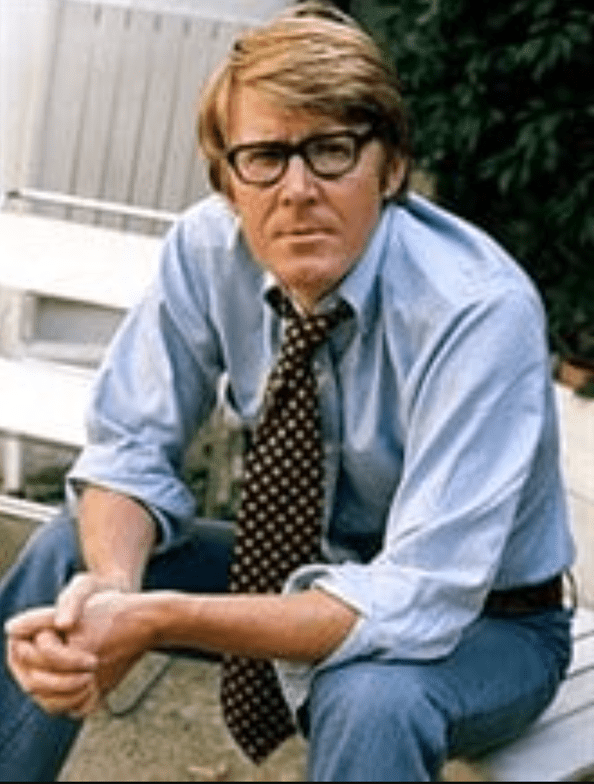
Bennett began his education at Leeds Modern School before attending Exeter College, Oxford, on a scholarship. Driven by a passion for learning, he earned a bachelor’s degree in Medieval History in 1957, graduating with honors.
He started his career as a junior history lecturer at Magdalen College. However, his path took a creative turn after a successful artistic endeavor.
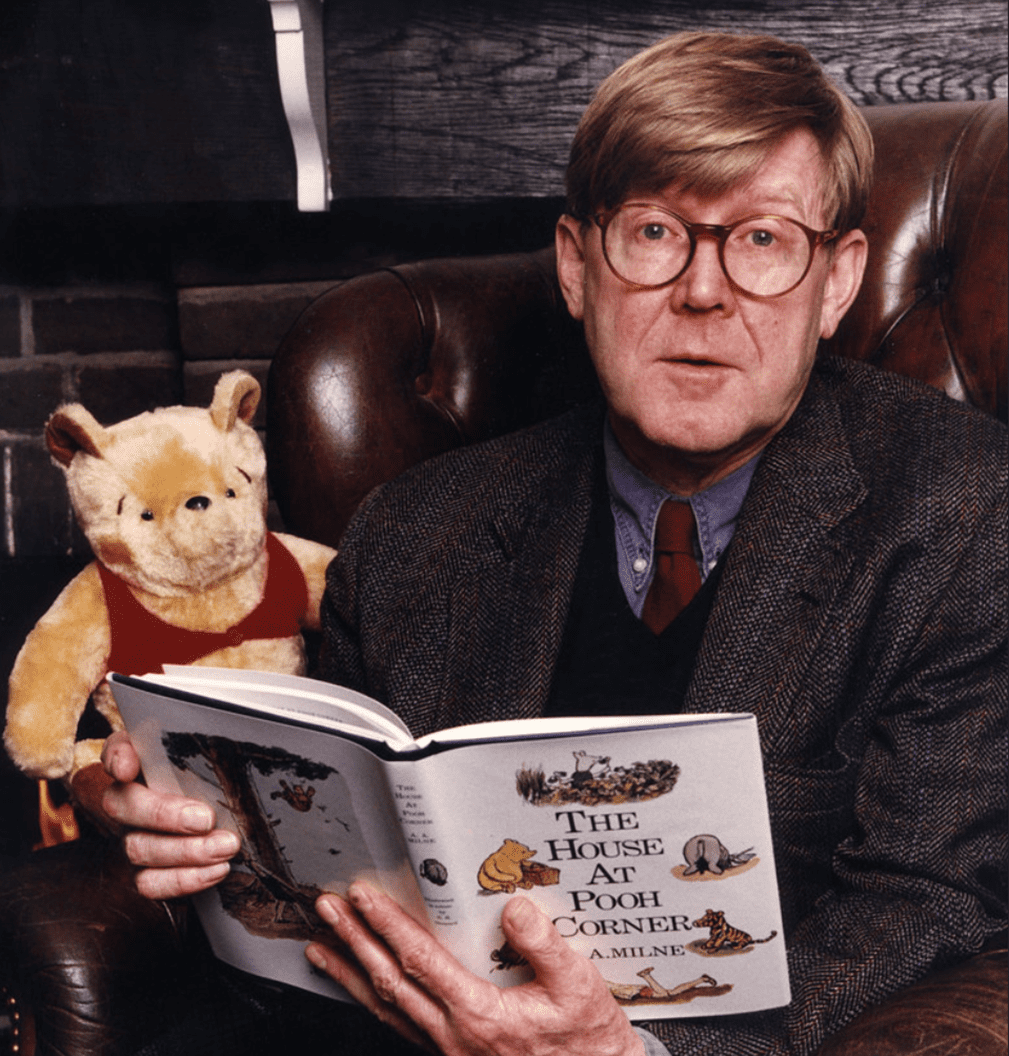
Alan Bennett’s Work for Television
Following his education, Alan collaborated with Dudley Moore, Jonathan Miller, and Peter Cook as a writer and performer. Together, they created the satirical revue Beyond the Fringe, which premiered at the Edinburgh Festival in 1960 to great acclaim.
In 1968, he wrote the play Forty Years On, followed by the successful Habeas Corpus. During the 1970s, Bennett focused on television projects such as A Woman of No Importance, Rolling Home, A Day Out, and Intensive Care. His 1984 play An Englishman Abroad earned him a BAFTA award.
Bennett worked extensively with the National Theatre and BBC, stating that he creates based on audience needs rather than commissions. His versatility in acting, writing scripts, and producing documentaries solidified his status as a revered artist. In 2005, he received the Laurence Olivier Award for Lifetime Achievement in Theatre.
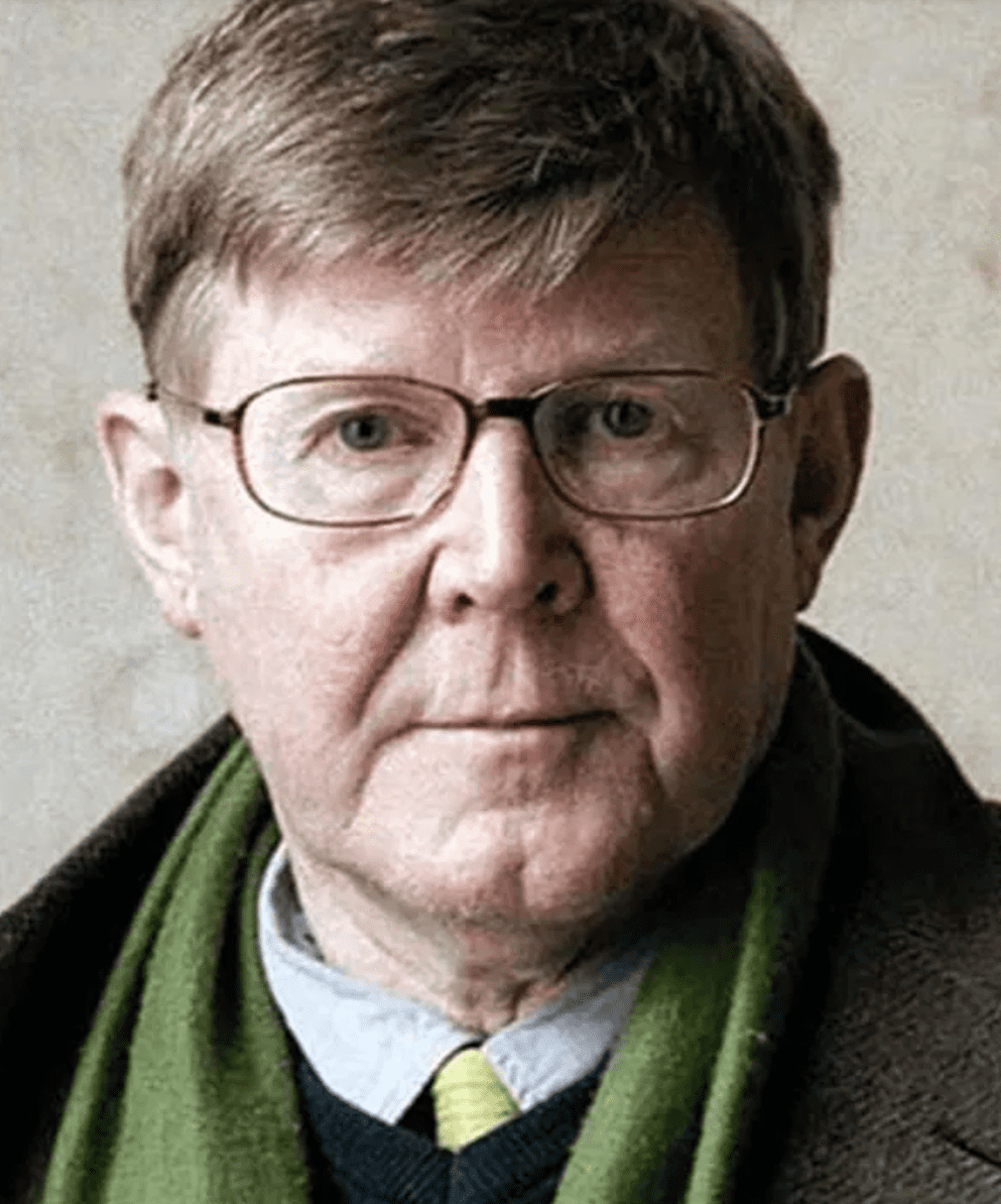
Features of Alan Bennett’s Creative Work
Bennett’s works explore Britain’s class system, cultural divides, and societal norms, often blending humor with introspection. His ability to balance intellectual depth with accessibility endeared him to audiences and critics alike.
In 2008, The Daily Telegraph ranked him 23rd on its list of the 100 most influential people in British culture. Bennett has also published novels, short story collections, and memoirs.
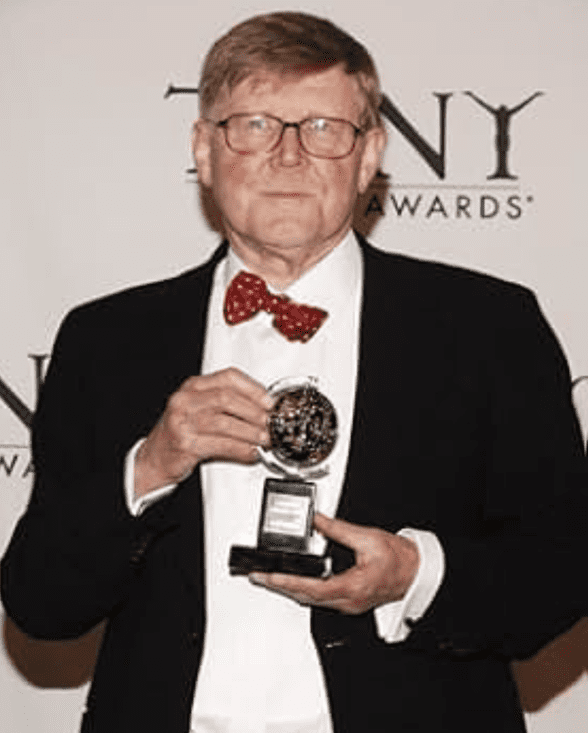
Personal Life and Fascinating Facts About Alan Bennett
Alan Bennett, who stands at 1.83 meters tall, is openly gay and has been in a relationship with Rupert Thomas since 2006. The Independent named him one of the most influential gay individuals in 2006.
Known for his reserved yet witty personality, Bennett battled colon cancer in 1997. Initially given only two years to live, he overcame the illness, defying the odds. He notably declined a knighthood in 1996 and rejected an honorary degree from Oxford University due to its financial ties to Rupert Murdoch.
Alan Bennett’s Contribution to Art and Public Perception
Alan Bennett is celebrated as a gifted, multifaceted individual who earned success through hard work and creativity. His contributions to drama, literature, and acting have secured his place in Britain’s cultural legacy.
Despite stepping back from active professional life, Bennett remains a prominent figure in Leeds and the UK. His wisdom, humor, and philosophical reflections continue to inspire, as seen in his 2016 publication of diary entries titled Keep On Keeping On.