


William Spark lived and worked in Leeds during the 19th century, a time celebrated as the golden age of classical instrumental music. This distinguished musician, composer, writer, and organist made an enduring contribution to the musical heritage of the United Kingdom. His legacy remains vibrant as a shining example of the artistic achievements of that period. Next on leeds-trend.
Early Life and Career Beginnings
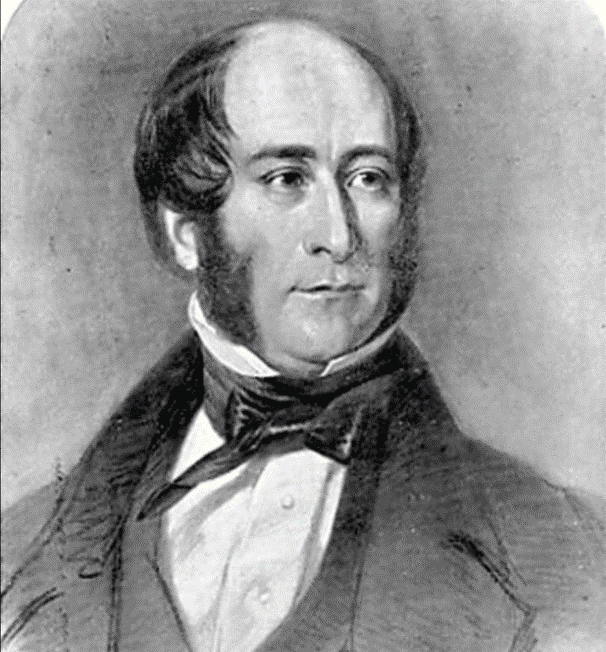
William Spark was born on 28 October 1823 in Exeter. Details of his early years and family background are scarce. Spark’s musical journey began under the mentorship of composer Samuel Sebastian Wesley, a renowned organist and choral master, primarily composing for the Anglican Church. Books.google.com.ua.
In 1840, Spark studied music in Exeter, serving as a chorister in Exeter Cathedral. At the age of 19, he moved to Leeds with Wesley, who introduced him to professional music circles. Spark initially worked as Wesley’s deputy organist at Leeds Parish Church in 1842. Later, he became the organist and choirmaster at Chapeltown Church.
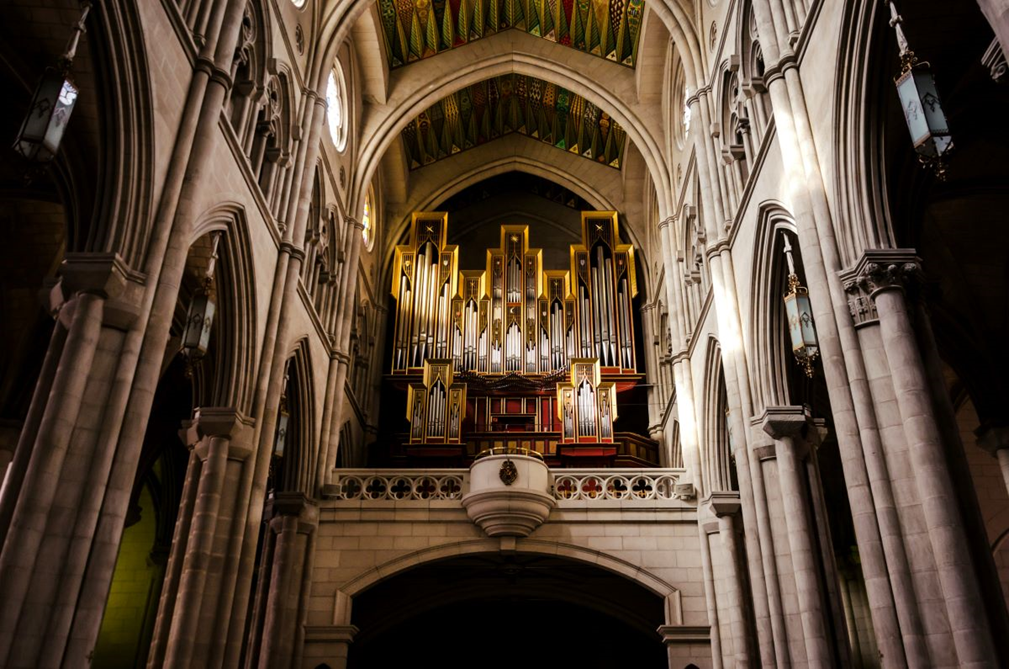
In 1850, Spark was appointed organist at St George’s Church. Nine years later, he collaborated with colleague Henry Thomas Smart to design the grand organ for the Leeds Town Hall, a project that further cemented his reputation.
Career Achievements
In 1860, William Spark was appointed the municipal organist of Leeds, a position he held until his death in 1897. His remarkable skills with the organ—a complex and majestic instrument—elevated him as a master musician and a cultural cornerstone of Leeds.
Spark also founded the Leeds Madrigal and Motet Society and the Leeds Recreation Society. As a Freemason, he served as the organist for the Lodge of Fidelity No. 289 in Leeds. Between 1852 and 1859, he organised popular concerts and played a central role in the city’s music festivals.
Literary Contributions
In 1851, Spark delivered a lecture on church music, focusing on Anglican choral services. By 1869, he was editing the Quarterly Musical Journal, introducing new works by British and continental organists. His autobiographical work, “Musical Memories”, was first published in 1888, with a subsequent volume, “Musical Memories: Past and Present”, released in 1892. These publications provide valuable insights into the music of his time, his life experiences, and anecdotes about prominent figures like Sir Michael Costa, Felix Mendelssohn, and Adelina Patti.
Musical Compositions
Throughout his career, Spark composed numerous works, including:
- “Light Voluntary in G Major”
- “Gavotte in D Major”
- “Grand March in Honour of Leeds’ City Status” (1893)
- “Emmanuel” (oratorio, 1887–1889)
- “Introduction and Fughetta in E-flat”
- “The Golden Jerusalem”
- “Minuet in A Minor”
- “Worthy Mason”
- “Ancient Evening Hymn” (Theme, Variations, and Fugue)
Legacy
William Spark lived for 73 years, passing away in Leeds on 16 June 1897. His life epitomised the flourishing of classical music during the 19th century. Spark’s expertise with the organ—a demanding and dignified instrument often associated with profound emotions and solemn occasions—set him apart as a passionate musician and innovator.
Spark left behind a rich legacy of music and literature, significantly enhancing Leeds’ cultural history. He succeeded not only as a musician and composer but also as an organiser of prominent events, such as the Leeds Triennial Music Festivals. Spark was instrumental in initiating these festivals in 1858, and they continued until 1985. The festival choir, established for the inaugural event, became independent in 1976 and continues to perform to this day.
William Spark’s active engagement in public and cultural life, alongside his artistic brilliance, ensured his enduring place in the history of Leeds. His contributions to the city’s music scene remain a source of inspiration for generations to come.